Introduction
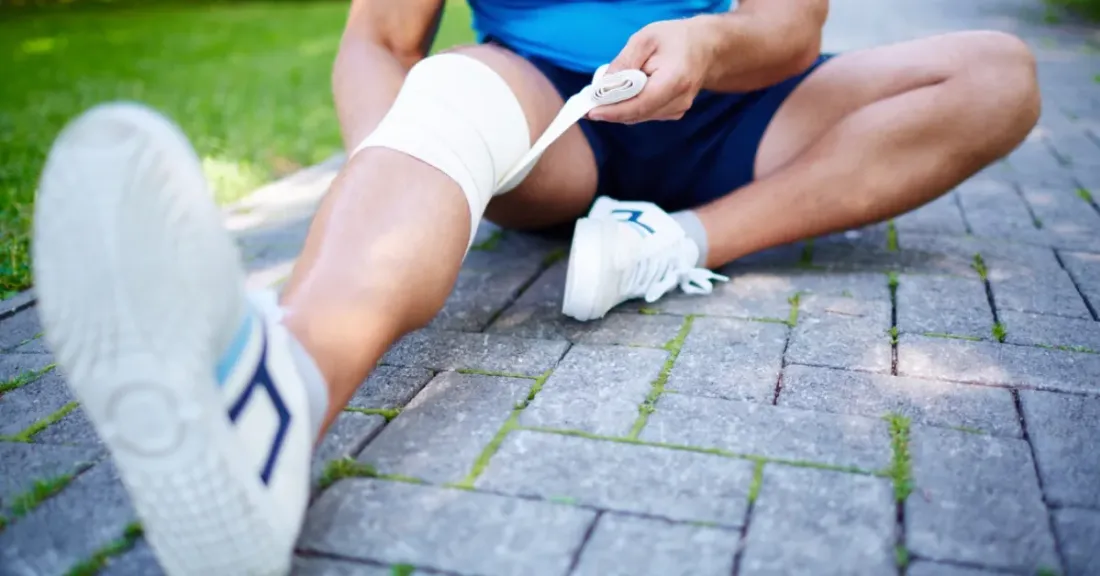
Proximal tibial fractures, also known as tibial plateau fractures, represent approximately 1% of all fractures and are significant intra-articular injuries that can severely impact knee joint function. These fractures commonly arise from high-energy trauma such as traffic accidents, falls from height, and sports-related injuries, particularly alpine skiing. The incidence of tibial plateau fractures has been increasing over time, with skiing identified as a notable cause due to the high forces involved during falls or collisions.
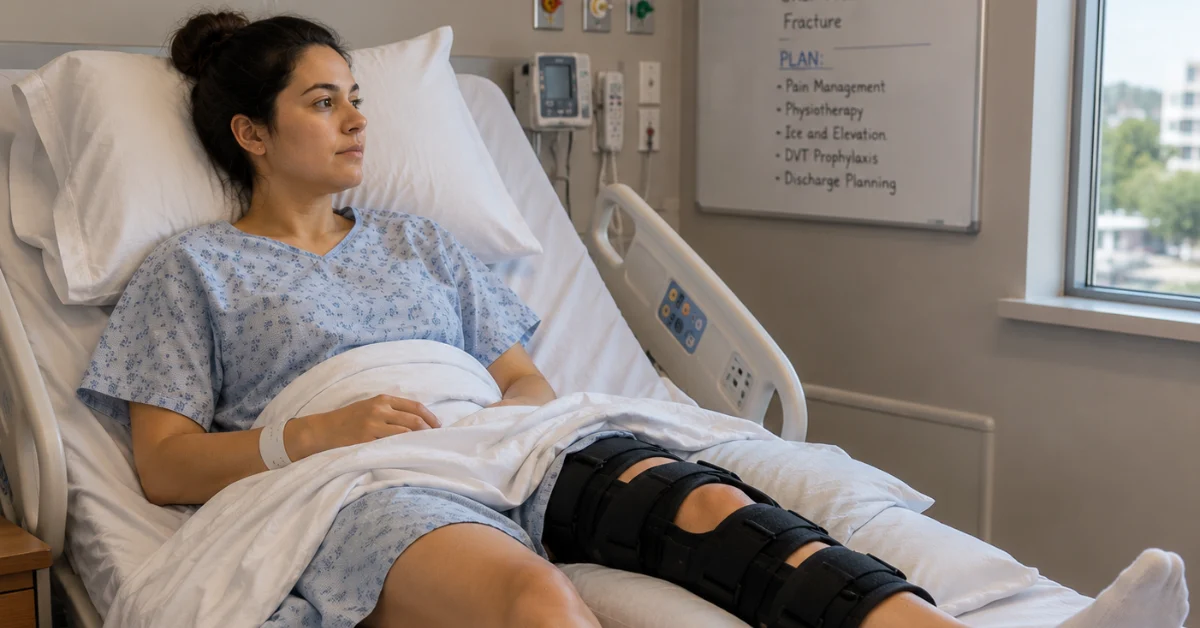
Treatment strategies for proximal tibial fractures depend on the fracture type and severity. Minimally displaced fractures may be managed conservatively with immobilization and non-weight bearing, while displaced or complex fractures typically require surgical intervention via open reduction and internal fixation (ORIF), arthroscopic-assisted reduction and internal fixation (ARIF), or frame-assisted fixation (external fixation). Postoperative rehabilitation is critical to restore knee function, focusing on controlled weight-bearing, range of motion exercises, muscle strengthening, and gradual return to activity.
Key Factors Influencing Return to Sport
- Fracture Severity and Type: Lower-energy fractures are associated with higher return to sport rates and better functional outcomes compared to high-energy and bicondylar fractures, which often result in reduced sporting ability and longer rehabilitation times. Complex fractures may also increase the risk of post-traumatic osteoarthritis, further limiting return to sport.
- Treatment Modality: ARIF tends to offer superior RTS rates and return to pre-injury sport levels, likely due to better visualization and management of intra-articular injuries and less soft tissue disruption. ORIF and frame fixation have similar return to sport rates but generally lower than ARIF, especially in severe fractures.
- Patient Factors: Younger age, male sex, and better pre-injury physical function predict a higher likelihood of return to sport. Psychological readiness also plays a crucial role; many patients report psychological barriers such as fear of reinjury as significant challenges in returning to high-impact sports like skiing.
Type of Sport: High-impact sports such as alpine skiing, soccer, and basketball pose greater challenges for return to sport due to high joint loads and risk of reinjury. Patients often transition to low-impact sports (such as bowling, curling, cycling, exercise walking, stretching, swimming) or intermediate-impact sports (such as aerobic, dancing, hiking, musculation/Fitness, rowing, sailing, gymnastics) post-injury.
Rehabilitation Considerations
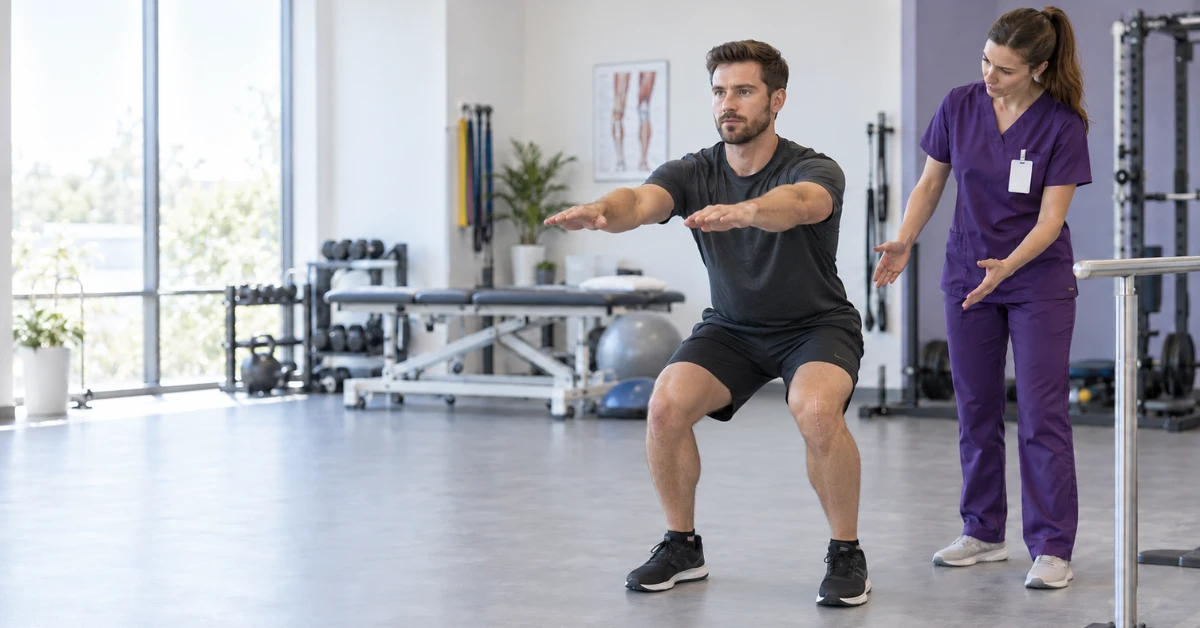
Rehabilitation after proximal tibia fracture surgery should be individualized, focusing on:
- Early controlled range of motion exercises to prevent stiffness without compromising fracture healing.
- Gradual progression of weight-bearing status, generally starting with partial weight-bearing for 6-12 weeks, depending on fracture healing and fixation stability.
- Muscle strengthening, particularly quadriceps and hamstrings, to support joint stability and function.
- Psychological support to address fear of reinjury and promote confidence in return to activity.
- Specific sport-related functional training to regain proprioception, agility, and endurance.
Timeline of Return to Sport
Return to sport after proximal tibia fracture surgery varies widely, influenced by fracture severity, treatment modality, and patient-specific factors. Studies report return to sport rates ranging from approximately 32% to 87%, with only about 30-60% returning to their pre-injury level, especially in high-impact sports. The timeline for return to sport is typically prolonged, with many patients returning after 6-12 months; some studies suggest that return within the first year is common but full recovery may take longer. Psychological readiness can further delay return despite physical recovery.
Practical Tips for Patients and Therapists
- Set realistic expectations: Patients often overestimate their postoperative outcomes; counseling should emphasize possible limitations and the risk of long-term complications such as osteoarthritis.
- Adopt a gradual rehabilitation approach: Avoid premature high-impact activities to protect the healing joint and implants.
- Incorporate psychological support: Address fear and anxiety related to reinjury proactively.
- Tailor sport-specific training: Gradual reintroduction to sport-specific skills helps regain confidence and function.
- Monitor for complications: Such as hardware irritation or joint stiffness, which may need intervention to optimize outcomes.
Conclusion
Proximal tibial fractures are serious injuries with potentially significant impacts on patients’ sporting activity. While surgical treatment enables many patients to return to sport, especially with less severe fractures and arthroscopic-assisted techniques, rates of return to pre-injury levels remain moderate. Rehabilitation should focus on physical recovery and psychological readiness, with tailored programs to support patients’ gradual return to activity. Clear communication and realistic expectation management are essential for optimizing patient satisfaction and functional outcomes.
Reference:
- Keppler, L., Navarre, F., Keppler, A. M., Stuby, F. M., Böcker, W., & Saier, T. (2024). Return to Skiing After Proximal Tibial Fracture: Postoperative Reality and Initial Expectations. Journal of Clinical Medicine, 13(23), 7352. https://doi.org/10.3390/jcm13237352
- Kraus, T. M., Martetschläger, F., Müller, D., Braun, K. F., Ahrens, P., Siebenlist, S., Stöckle, U., & Sandmann, G. H. (2012). Return to Sports Activity After Tibial Plateau Fractures: 89 Cases With Minimum 24-Month Follow-up. American Journal of Sports Medicine, 40(12), 2845–2852. https://doi.org/10.1177/0363546512462564
- O’Neill, D. C., Sato, E. H., Myhre, L. A., Kantor, A. H., Rothberg, D. L., Higgins, T. F., Marchand, L. S., & Haller, J. M. (2023). Return to Skiing After Tibial Plateau Fracture. Orthopaedic Journal of Sports Medicine, 11(10), 23259671231205925. https://doi.org/10.1177/23259671231205925
- Resch, T., Faber, L., Aasen-Hartz, F., Zehnder, P., Ellafi, A., Biberthaler, P., & Greve, F. (2025). Return to Work and Sports After Tibial Plateau Fracture Treatment: Are There Factors Associated with Faster Recovery? Journal of Clinical Medicine, 14(21), 7802. https://doi.org/10.3390/jcm14217802
- Robertson, G. A. J., Wong, S. J., & Wood, A. M. (2017). Return to sport following tibial plateau fractures: A systematic review. World Journal of Orthopedics, 8(7), 574–587. https://doi.org/10.5312/wjo.v8.i7.574