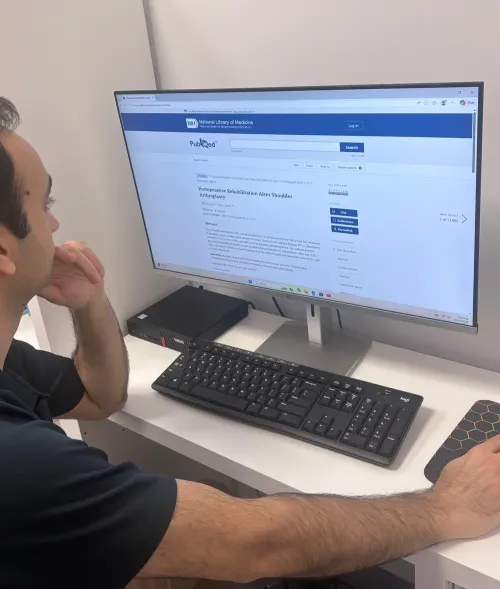
Ottawa Rehab Protocols is an academic project founded by a group of rehabilitation practitioners who share a passion for research and evidence-based practice. Our mission is to create and share reliable, up-to-date rehabilitation protocols for musculoskeletal (MSK) injuries, including both surgical and non-surgical management.
Our team includes physiotherapists, chiropractors, and other rehabilitation specialists with advanced post-graduate education, including PhD graduates and doctoral students, combining academic knowledge with real-world clinical experience.

Ben B. Lahouti – BSc PT, MSc, DPT (Candidate)
Physiotherapist


Sobhan (Soby) Sobhani – MSc PT, PhD
Physiotherapist

Nima Jalali – BSc KIN, DC
Chiropractor
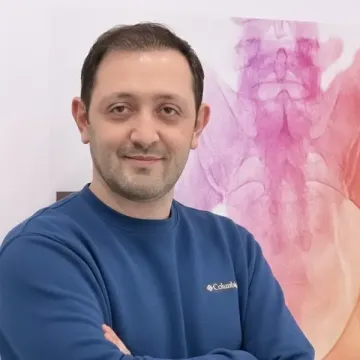
Milad Ataeian – MSc PT, PhD (Candidate)
Physiotherapist
Milad is a Registered Physiotherapist with over a decade of international clinical experience in musculoskeletal rehabilitation, orthopedic injuries, and sports-related conditions. He holds both a Bachelor’s and Master’s degree in Physiotherapy from Isfahan University of Medical Sciences and is currently completing his PhD in Health & Rehabilitation Sciences at Western University, where his research focuses on the clinical application of musculoskeletal ultrasonography in physiotherapy practice. Milad has extensive experience treating patients of all ages with acute and chronic injuries, post-surgical conditions, and long-standing movement impairments. His approach is grounded in evidence-based care, emphasizing pain reduction, improved mobility, strength restoration, and safe return to full function. He remains committed to advancing rehabilitation science through ongoing research and clinical practice.

Afsoon Razmjooee
Orthotist
Afsoon is a certified orthotist and founder of Orthomake Clinic in Ottawa. She holds a Bachelor’s degree in Orthotics and Prosthetics from Iran and completed a 2-year residency in Clinical Orthotics Management. With over 18 years of experience in designing and providing custom orthoses for the legs, arms, spine, and feet, she has helped clients of all ages improve their function, mobility, and quality of life. Fluent in English, French, and Farsi, Afsoon is committed to serving the community with compassion and professionalism.
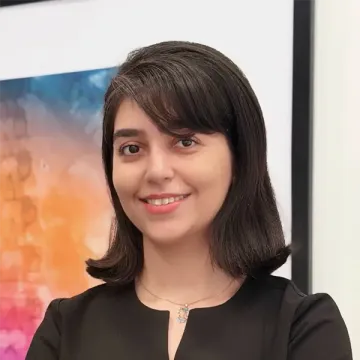
Fatemeh Ehteshami – MSC PT, PhD Candidate
Physiotherapist
Fatemeh is a dedicated physiotherapist and current PhD Candidate in Health and Rehabilitation Sciences (Physiotherapy) at the University of Western Ontario. She holds a Master of Science in Sport Physiotherapy and brings a wealth of clinical experience, including 5 years of practice in pelvic floor rehabilitation, acute care, and musculoskeletal (MSK) rehabilitation. During her MSc, Fatemeh focused on telerehabilitation for shoulder pain — a growing area of practice that bridges patient care with evidence-based digital health delivery. Her academic pursuits are complemented by her passion for patient-centred care, functional recovery, and supporting individuals across the lifespan.
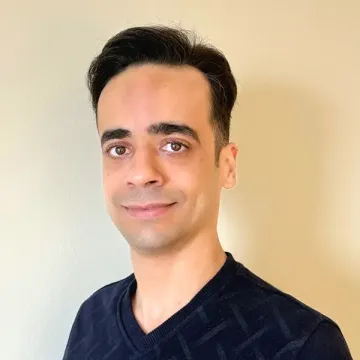
Alireza Tahmasbi – MSC PT, PhD (Candidate)
Physiotherapist
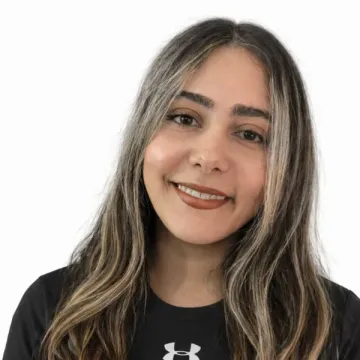
Mahsa Mohammadzadeh – MSc OT, PhD (Candidate)
Occupational Therapy
Mahsa holds a Master’s degree in Occupational Therapy and is currently a PhD candidate in Rehabilitation Sciences at the University of Ottawa. She brings valuable clinical experience in adult neurological rehabilitation across both hospital and private practice settings, including inpatient and outpatient care. Her clinical background includes working with individuals living with stroke, multiple sclerosis, and spinal cord injury. Through her doctoral research, Mahsa continues to expand her focus on spinal cord injury and participation, with particular attention to the Canadian healthcare and policy context. She is passionate about bridging clinical practice and research to enhance rehabilitation outcomes and ensure evidence-informed care that supports long-term participation and inclusion.
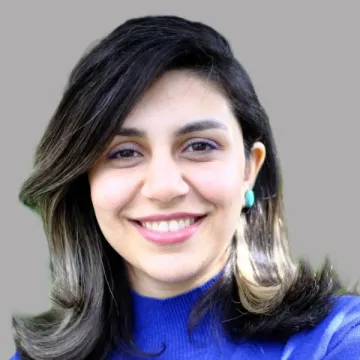
Leyla Sefiddashti – MSc PT, PhD (Candidate)
Resident Physiotherapist
Leyla is a resident physiotherapist passionate about helping individuals recover from injuries, restore function, and improve overall quality of life. She has a strong clinical focus on sports injuries, musculoskeletal conditions, and biomechanics, bringing over seven years of experience working with professional and competitive athletes. She has served as the physiotherapist for elite teams, including the Women’s National Wushu Team at the 8th Wushu Sanda World Cup. Leyla is currently a PhD candidate in Rehabilitation Sciences at the University of Ottawa, where her research focuses on playing-related musculoskeletal disorders (PRMDs) in music students. Her clinical expertise includes Dry Needling, Corrective Exercise, and Functional Movement Screening.
The Gap We Noticed
Although high-quality evidence and standard protocols exist for procedures like tendon repairs, ligament reconstructions, and joint replacements, we found no centralized, go-to resource, especially one that could serve both healthcare professionals and patients in a practical, adaptable way. That realization sparked the idea for this platform several years ago.